Reading Natural Light in the Scottish Landscape: A Practical Explainer
Reading Natural Light in the Scottish Landscape: A Practical Explainer
Scotland is small, but its light is not uniform. On the same April morning you can photograph hard, cold clarity along the Moray coast while Fort William sits under pewter drizzle — and both are doing exactly what the geography says they should. Once you understand the rules behind that, you stop hoping for good light and start predicting it. That is a more useful skill than anything you can buy.
The trick is to read four variables together: latitude, direction, topography and weather type. Change one and the light changes. Change two and you can get a completely different landscape only an hour’s drive away. The good news is that none of this is random. Scottish light has patterns, and those patterns are learnable.
Latitude Sets the Terms
Scotland lies between roughly 54 and 61 degrees north, and that single fact shapes everything. Even at midsummer, the midday sun in Edinburgh reaches only about 57 degrees above the horizon. In December, in the far north, it climbs to barely ten degrees — which is why the light feels like late afternoon from ten in the morning until it disappears around half past three.
Two consequences matter. Shadows stay long and directional right through the day in winter, so frost, snow and rock textures remain workable for hours rather than minutes. And near the horizon the sun moves slowly, so warm light lingers. A golden hour in southern England might last twenty minutes; in the Highlands around midsummer it can hang on for two hours or more. You generally have more time than you think.
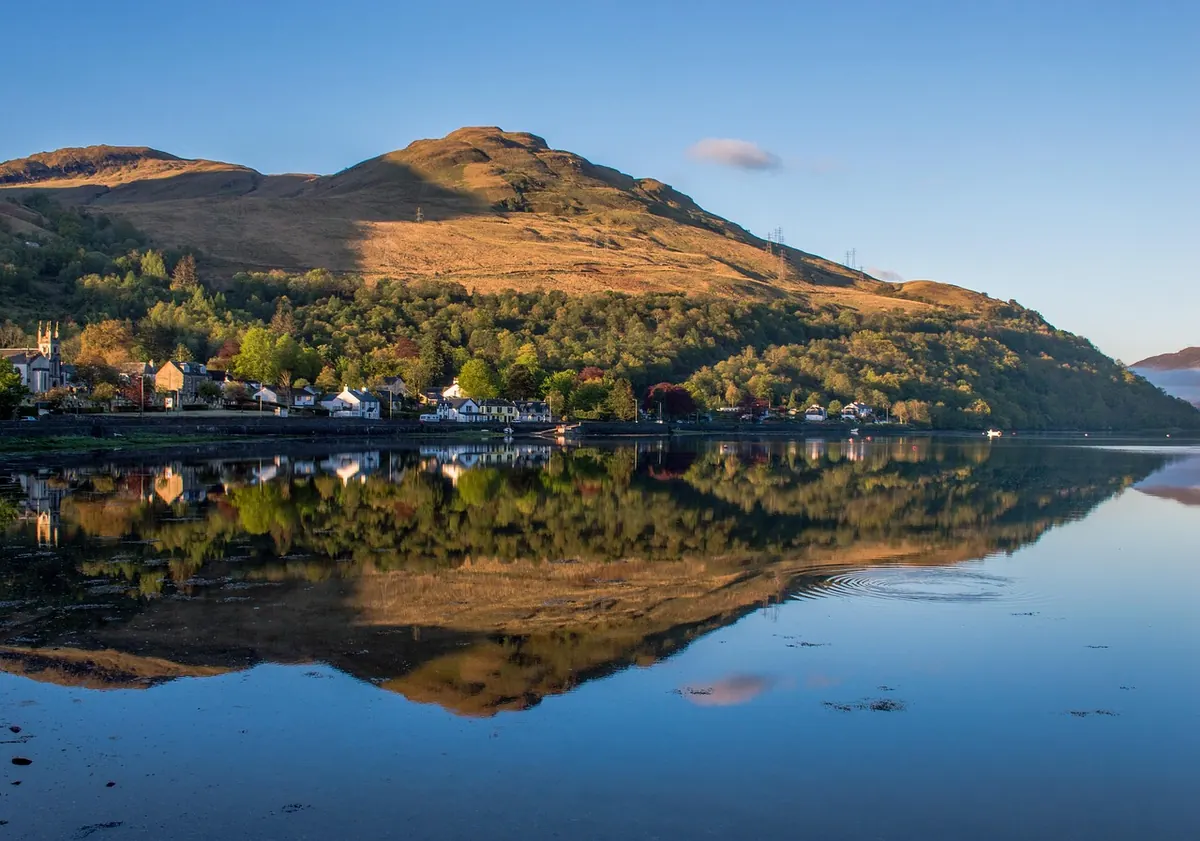
That low angle also changes how colour behaves. Because light travels through more atmosphere, blues and shadows deepen while warm tones in stone, heather and dead bracken can glow for surprisingly long. In winter, the sun may never properly clear a ridge, which means entire glens can sit in blue shade while a distant summit catches a thin band of gold. Learning to look for that band is often more useful than waiting for the whole scene to light up.
Direction: Who Gets the Light, and When
Weather usually arrives from the west and south-west. Atlantic lows bring fronts, wind and rain, and the hills wring much of the moisture out of them before the air reaches the east. The result is familiar: a wetter, more changeable west, and an east coast sitting in the rain shadow with more sunshine. In winter, high pressure over Scandinavia flips it, sending cold clear air down the east and leaving the west milder and cloudier.
So the useful question is not whether it will rain, but which way the light is coming from and what your subject faces. A west-facing beach at sunrise is usually a waste of time; the same beach at sunset can be extraordinary. An east-facing castle may be lit beautifully at dawn and flat by mid-afternoon. Once you start thinking in terms of aspect and sun azimuth, your hit rate improves immediately.
West coast and islands
Unsettled westerly weather produces the big skies, the passing squalls and light that arrives in dramatic slabs. The classic pattern is post-frontal: rain clears east, the sun breaks through behind it, and the scrubbed air gives a landscape real depth. From spring into late summer the sun sets far enough north-west to drop behind the islands, which is why west-facing beaches and headlands pay off in June and July.
The Outer Hebrides, Skye, Ardnamurchan and the west coast generally reward patience. Showers move through quickly, and between them you often get rainbows, dark cloud bases and sudden pools of sunlight on the sea. When the wind veers north-west, visibility can become exceptional. Distant islands appear sharp and close, and colours seem almost over-saturated. That is the west at its best.
East coast and rain shadow
The east coast offers a different bargain. Places like Moray, Fife, Angus and East Lothian often get more sunshine and less rain, but the light can be cooler and more clinical. In summer, early light on east-facing cliffs and castles is reliable and clean. In winter, high pressure can bring long spells of low, pale sun and hard frost, especially away from the coast.
The east also has its own hazard: haar. Warm air passing over a cold North Sea can produce thick sea fog that swallows the coast for hours, sometimes while inland is sunny. It is beautiful in its own way, but it is not the light most landscape photographers are hoping for. If haar is forecast, either embrace it for moody, minimal images or head inland and uphill.
Highlands and glens
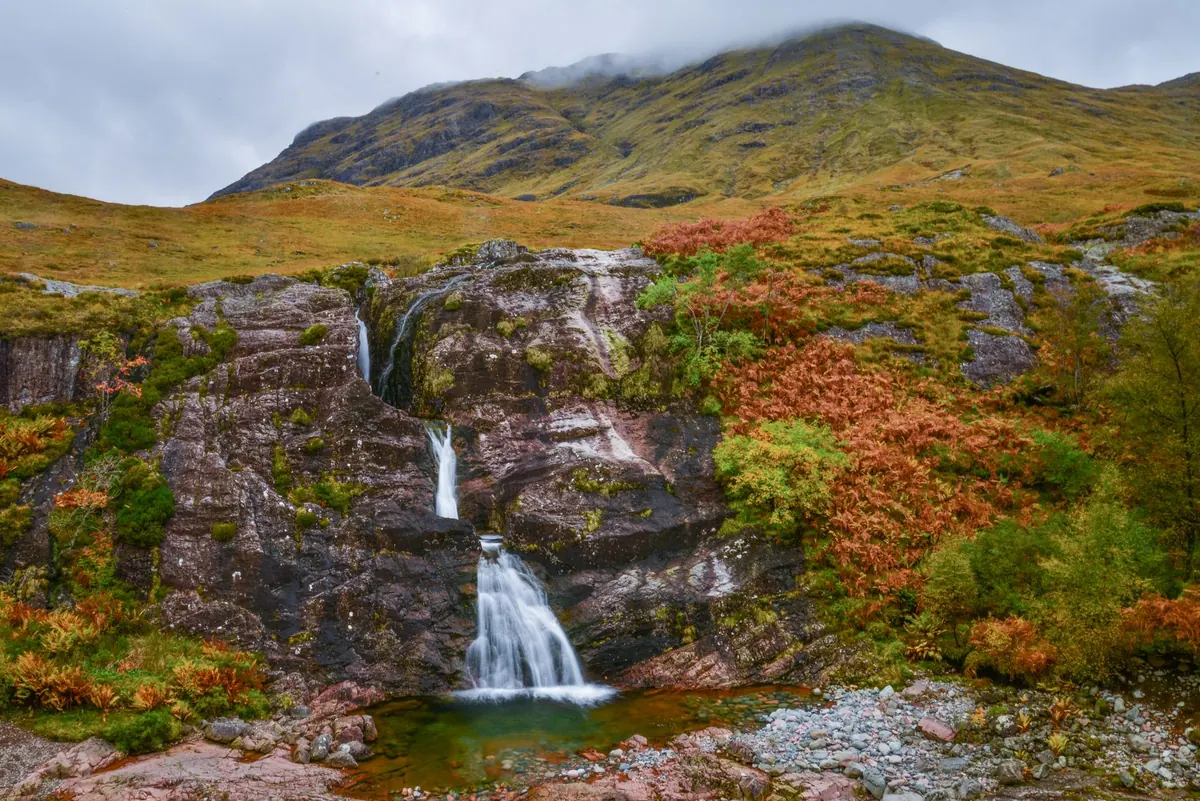
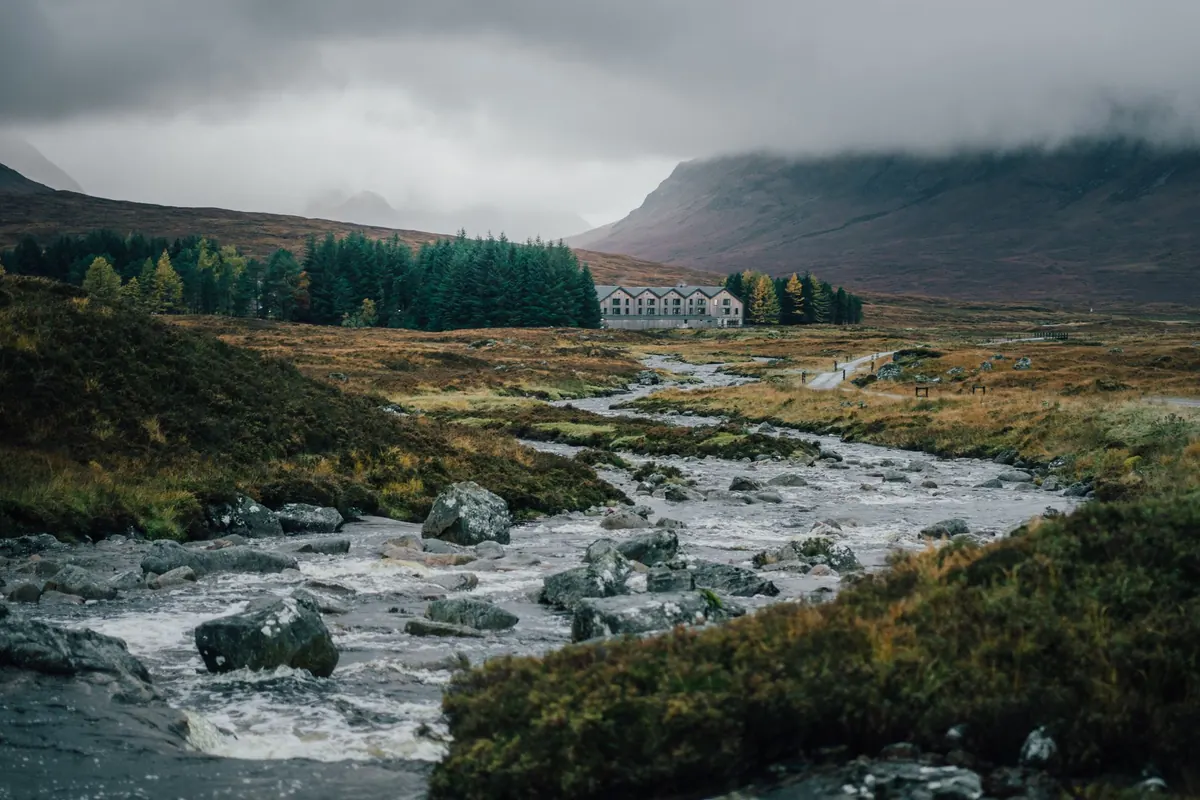
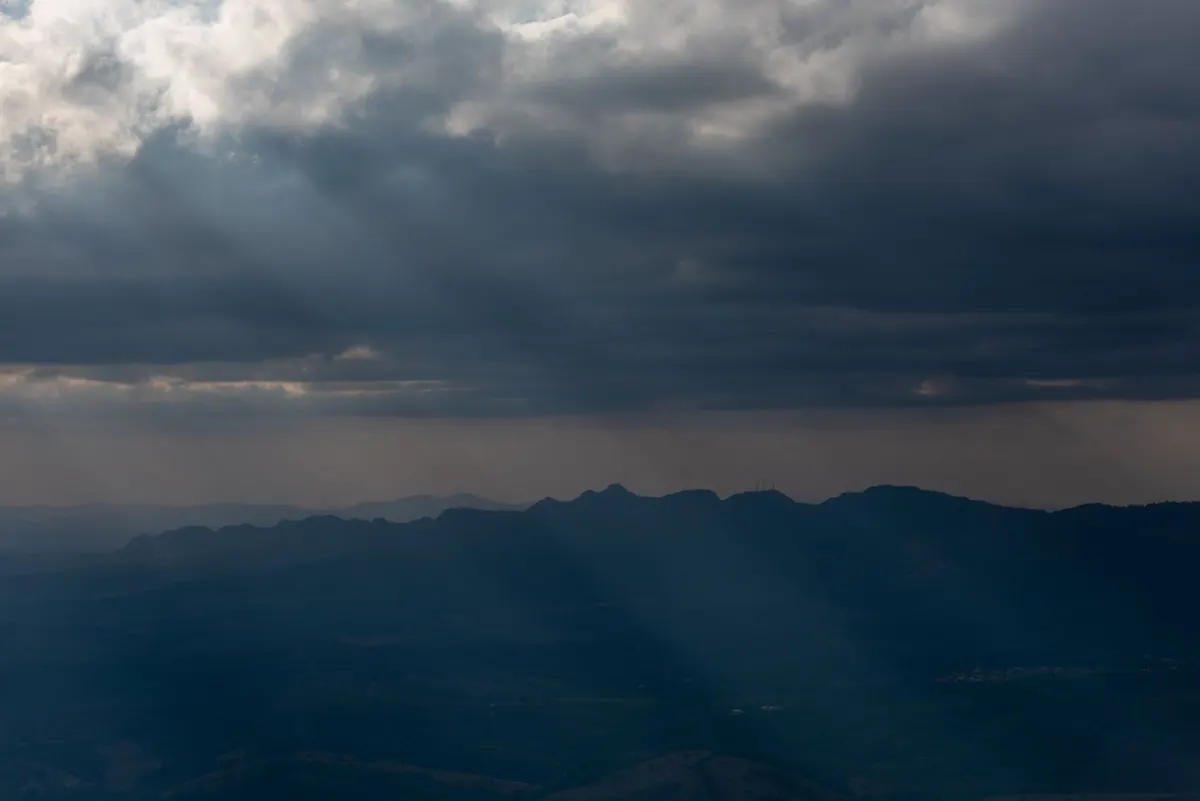
Topography complicates everything. Mountains block the sun, create local shadow and force weather to rise and condense. In the Highlands, light often becomes a spotlight rather than a wash. The same cloud that kills one glen can illuminate the next. In Glencoe, a break in the cloud might light the Three Sisters while the valley floor stays blue-grey. In Torridon, a shaft of sun can pick out a single sandstone ridge against dark rain clouds.
This is where cloud shadows become a creative tool. Instead of cursing a broken sky, watch how patches of light move across the land. A dull hillside can become compelling when a single band of sun crosses it. The Cairngorms often have clearer, colder air than the west, while the west Highlands catch the Atlantic drama. Both are useful; they simply suit different subjects.
Reading the Sky, Not Just the Forecast
Forecasts tell you probability. The sky tells you what is actually happening. A few cloud types are worth learning because they predict the kind of light you are likely to get.
- Broken cumulus with dark bases and bright tops: excellent contrast, especially over moorland, coast and lochs. Expect fast-changing light and possible showers.
- Altocumulus or cirrocumulus: textured high cloud that catches colour at sunrise and sunset. Good for wide landscapes where the sky is part of the subject.
- Flat stratus: soft, low-contrast light. Not dramatic, but ideal for woodland, waterfalls and intimate details where harsh shadows would ruin the scene.
- Post-frontal showers: the classic Scottish light machine. Rain clears, air scrubs clean, and you get rainbows, dramatic clouds and sudden sun.
- High pressure haze: often stable but hazy. Good for layered atmospheric shots, less good for crisp long views.
Wind direction still matters most. A south-westerly usually means Atlantic weather and changeable light in the west. A northerly can bring clear, cold air and sharp visibility. An easterly in winter may bring grey cloud and snow, while an easterly in summer can be warm but hazy. Match the wind to the coast or glen you choose, and you are already halfway to better light.
A Practical Field Method
When you are planning a day out, run through the same simple sequence. It takes five minutes and saves a lot of driving.
- Check sun position: Use a sun calculator or map app to see where the sun rises, sets and sits at midday for your chosen date and location.
- Check wind direction: Ask where the weather is coming from. West and south-west favour the east coast rain shadow; east and north-east can favour the west.
- Choose aspect: If you want direct light on a subject, put the sun behind you or to the side. If you want atmosphere, shoot into the light and manage flare.
- Arrive early: Scottish light changes quickly. Being in place twenty minutes before a break in the cloud is better than arriving ten minutes after it.
- Adapt: If the sky goes flat, switch to details, woodland, water or long exposures. If it breaks, go wide and work fast.
Seasonal Quick Reference
- Winter: Low sun, long shadows and short days. East coast clear cold spells can be superb; west coast is often milder and cloudier. Watch for low sun grazing ridges and frost textures.
- Spring: Unstable and dramatic. Showers, snow patches and fast-changing light. West coast post-frontal conditions are frequent and rewarding.
- Summer: Long twilight and north-westerly sunsets. West-facing coasts and islands come into their own. Midday light is harsh, so focus on early and late.
- Autumn: Atlantic lows return, bringing storms and clear intervals. Colour in birch, bracken and larch combines with low sun. Often the best all-round season for Scottish landscape light.
None of this removes the unpredictability. Scotland will still throw haar, squalls and sudden cloud at you. But prediction beats hope. You begin to know why one coast is glowing while another is grey, and you can choose where to be when the light finally arrives.
You cannot order the light, but you can learn where and when it is most likely to appear.
That is the real value of reading natural light in the Scottish landscape. It turns a frustrating lottery into a practical puzzle — and the more you solve it, the more often you come home with something worth keeping.
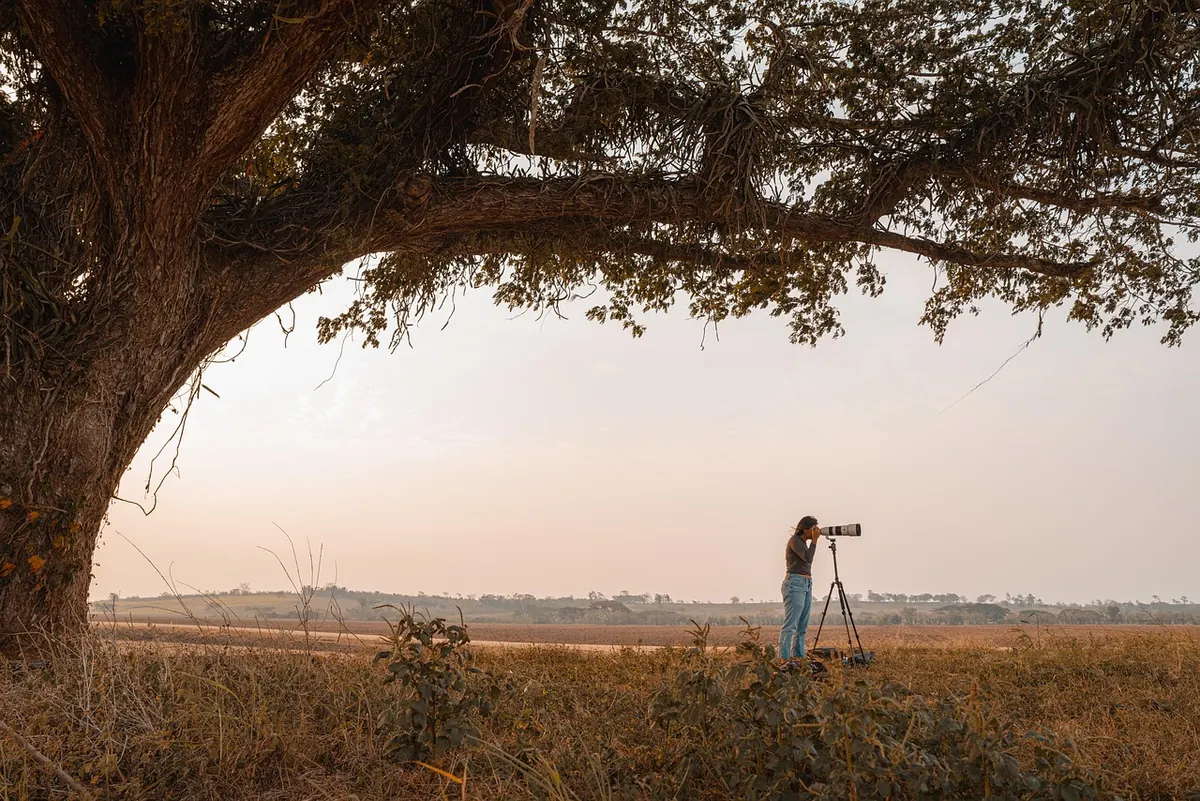
Photo: Malcoln Oliveira / Pexels