A Seasonal Guide to Photographing Scotland's Landscapes
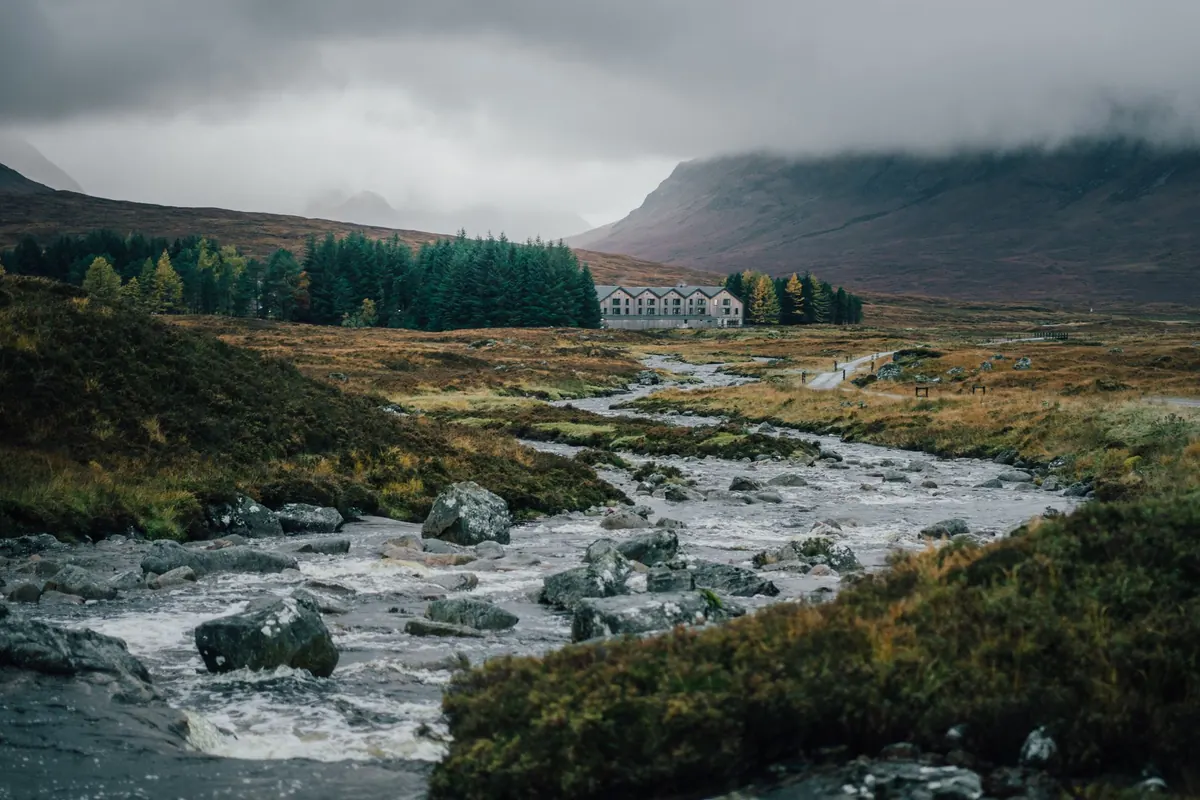
Scotland's landscapes don't change politely with the seasons, they flip. The same glen that glows green in May is a near-monochrome study in January, lit for six hours by a sun that never clears the southern ridges. Much of the work of photographing here is deciding what you actually want and turning up when the country is willing to give it to you. What follows is a working calendar, built around light, weather and what is genuinely worth pointing a lens at.
Winter: Low Sun, Long Shadows (December to February)
The sun stays low and in the far north daylight can drop below six hours in late December. That scarcity is a gift. Light is directional and soft for most of the day, so you can shoot at noon and still get modelling and long shadows across the ground. Snow on the tops against dark moor is the classic winter image, and hill fog filling a glen at first light is the one people travel for.
Glencoe and Rannoch Moor under snow, the Buachaille Etive Mòr from the Kingshouse, frost on the birches of Glen Affric, ice forming on slower stretches of the River Etive, Loch Awe holding mist. Roads are usually fine on the gritted routes, but side roads and passing places can be sheet ice, and the daylight runs out early. Check a mountain weather forecast before you commit to height, and if there is snow on the hills treat it as a winter day out, with the kit and judgement that implies.
Spring: Water, Woodland and Weather That Won't Sit Still (March to April)
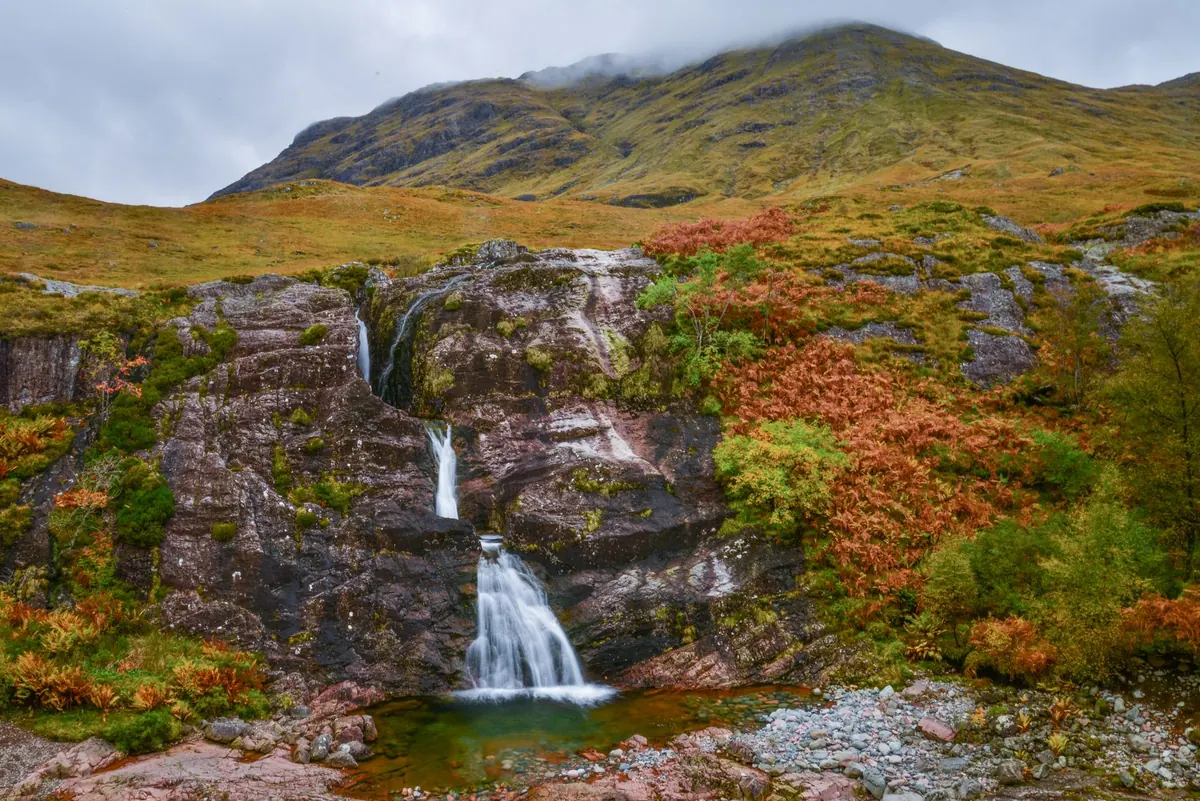
March and April are the wettest-feeling months on the west coast, which makes them the best months for water. Burns run full, falls are loud and dramatic, and the cloud is rarely static for long. The Falls of Bruar, Corrieshalloch Gorge and the walk to Steall in Glen Nevis all come into their own. Look for fresh snow on the high ground with green beginning in the glens below; that contrast is the whole point of a Scottish spring.
April often delivers the crispest visibility of the year in the wake of a cold front, when you can see the Hebrides from the mainland with real clarity. Gorse turns the coast yellow, lambs appear on the low ground, and wild garlic and wood anemone carpet Argyll and Loch Lomond woodlands. Birch stays bare until late in the month, which keeps the woods open and legible rather than cluttered.
The Long Light: May and June
This is the season most visitors underestimate. Around midsummer in central Scotland the sun is up before half past four and still setting after ten, with usable twilight either side, so you effectively have from 3am until midnight. Further north it barely darkens at all; in Shetland the sun is above the horizon for close to nineteen hours and the lingering glow known as the simmer dim runs through the small hours.
Because the sun rises in the north-east and sets in the north-west, north-facing coasts are lit beautifully at both ends of the day. The Quiraing on Skye, Sandwood Bay, the north Sutherland coast and the Assynt hills all reward an early alarm or a very late one. Bluebells arrive in the oakwoods of Loch Lomond and Ardnamurchan in the second half of May, and the machair on the Outer Hebrides begins to flower. Watch for long spells of high pressure: seas go glassy, haze softens distant ridges, and mid-afternoon light flattens out. Shoot the edges of the day instead.
High Summer: Heather, Haze and Midges (July and August)
Heather comes into flower from late July into August, turning hillsides purple across the Cairngorms, the Angus glens and the Ochils. The trade-off is midges and thin, flat light between roughly ten in the morning and six in the evening. Work around it: sleep in, shoot late, and treat the small hours as your prime window.
Sea fog on the east coast, the haar, can be a gift rather than a washout. It layers Aberdeenshire, Fife and East Lothian into soft bands and often burns back to leave the coast in stripes. Midges are worst in still, humid, overcast conditions near water and woodland. Any real breeze keeps them down, so exposed coasts and hilltops are usually comfortable. A head net, repellent and long sleeves make the difference between a good evening and a short one.
Autumn: The Best of the Year (September and October)
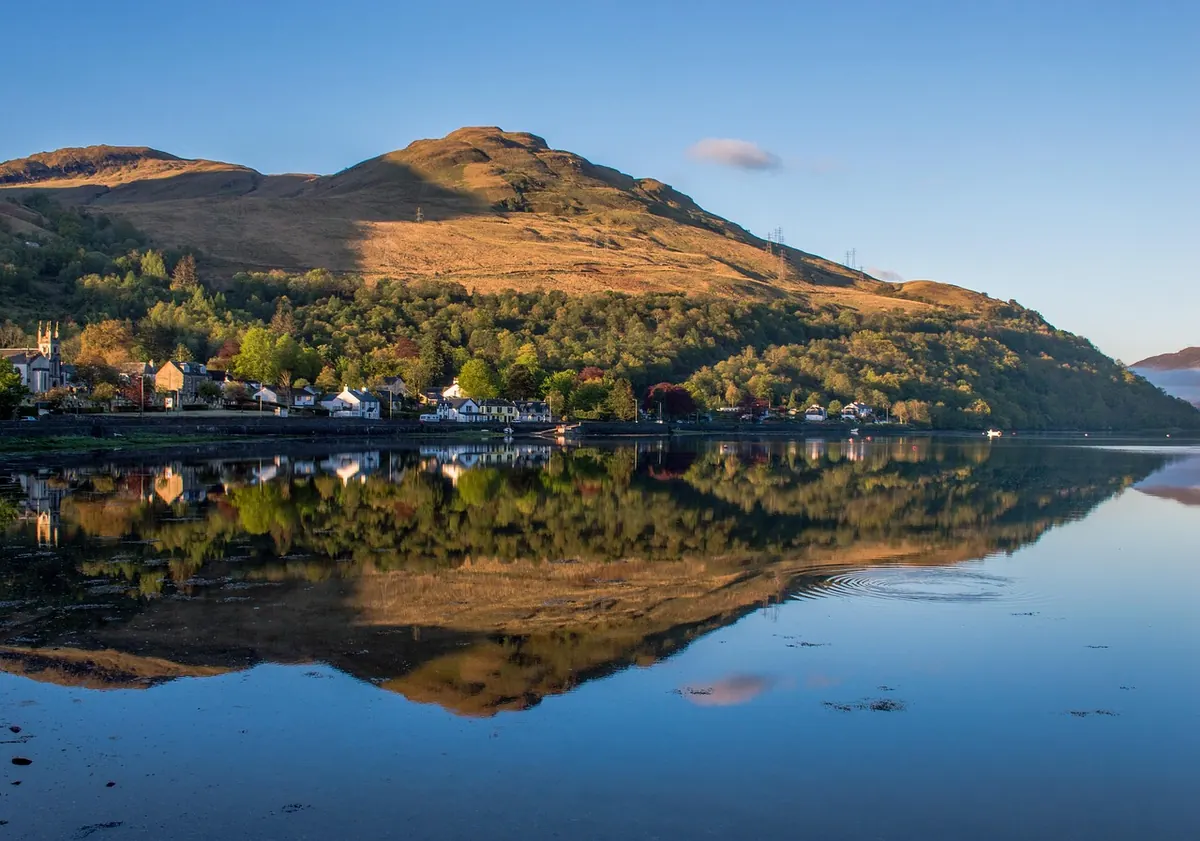
If you can only make one trip, make it this one. Bracken rusts, birch goes gold, rowans hang red, the midges fade, and high pressure brings settled spells with clear air. The main window is usually the last week of September into the third week of October. Colour starts high and works downwards, so the upper glens turn first and the low woodland follows.
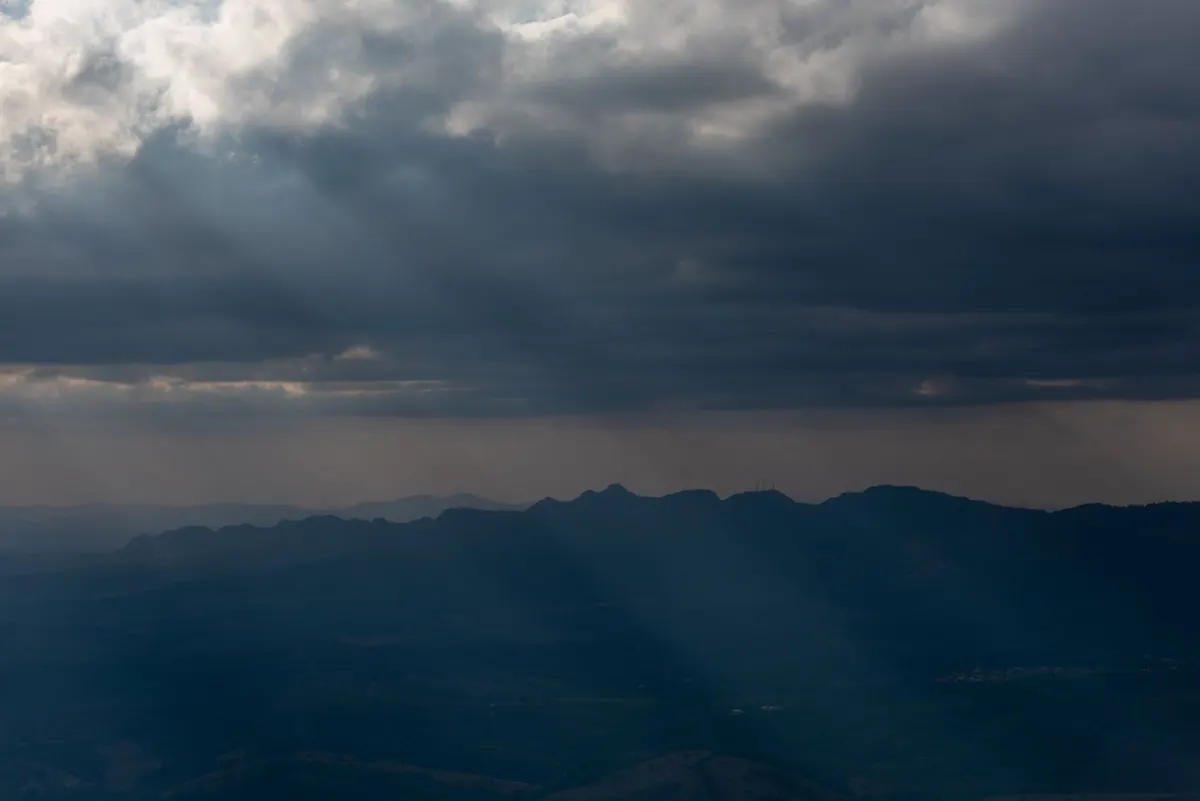
Glen Affric and Loch Beinn a' Mheadhoin, the Black Wood of Rannoch, Glen Etive, Torridon under Liathach and Beinn Eighe, Loch Maree, Killiecrankie and the Cairngorms around Rothiemurchus and Glen Feshie. Storms arrive as the month turns, and the clear hour after a front passes is often the best light of the day, with fast cloud, rainbows and huge skies over the west coast.
Late Autumn and the Slide into Winter (November)
November looks like the month with least to offer and quietly delivers some of the most atmospheric work. Trees are bare, hillsides are brown, the light goes by four, and rain is frequent. What you get in return is water and mood: falls in spate, moss and lichen glowing saturated green, low cloud snagged on the Torridon and Assynt hills, and the first proper snow on the tops by the end of the month. The murk means blue-hour colour can last an hour either side of a very short day, which suits long exposures and quiet, layered compositions far better than it suits colour.
A quick month-by-month reference
- January and February: snow, low directional light, glens full of mist.
- March and April: full burns and waterfalls, gorse, crisp post-front clarity.
- May and June: bluebells, endless twilight, north-facing coasts at their best.
- July and August: heather, haar, midges; shoot late and early.
- September and October: autumn colour, stable weather, first choice for a trip.
- November: spate rivers, bare trees, low cloud, long blue hours.
- December: short days, snow on the hills, hard frosts, big skies at noon.
Planning, Kit and Field Craft
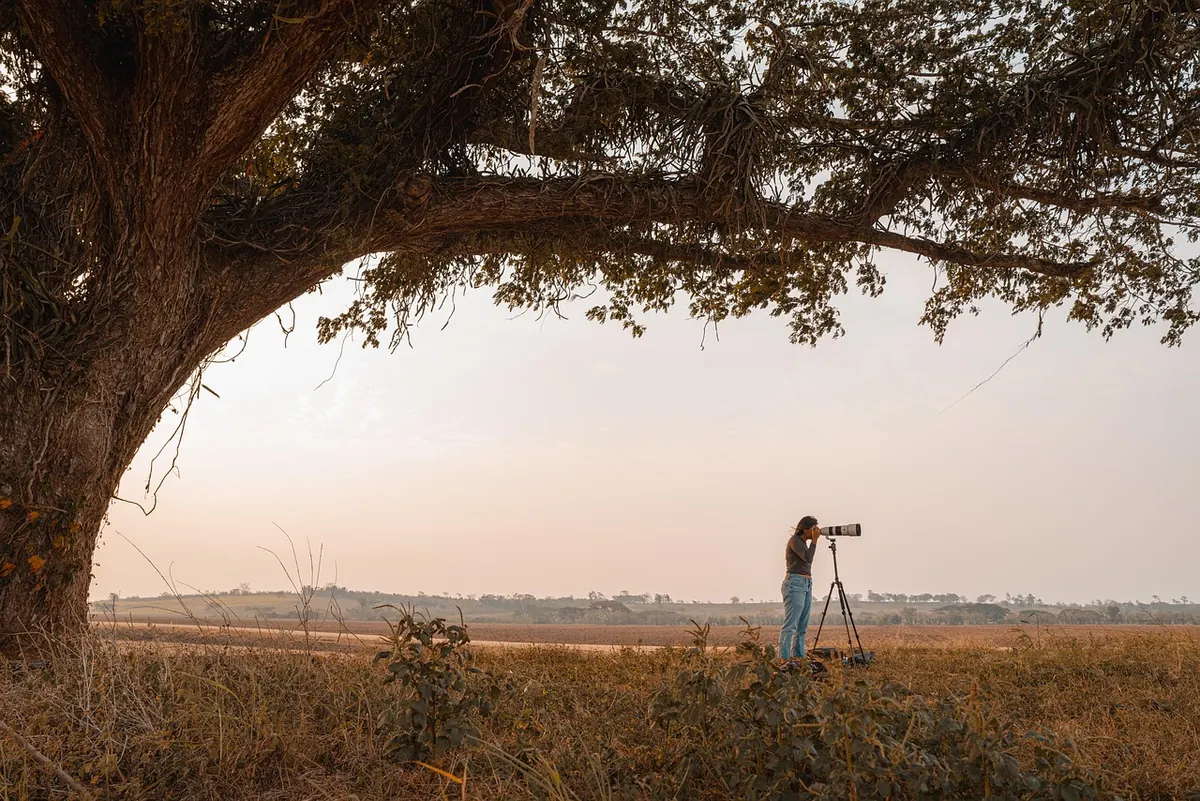
Most wasted trips come down to timing rather than talent. Before you go, check sunrise and sunset for your exact location, the tide tables if you are shooting a beach, and a proper mountain forecast if you are going above the glens. Tides matter more than people expect on Harris, Sandwood and the Moray coast, where a shot can exist for two hours and be gone. In winter, add an avalanche forecast and be honest about your experience on snow.
Keep the kit simple and weatherproof. A polariser earns its place in wet, reflective light. Spare batteries live in an inside pocket in the cold. Take a cloth for the front element, because spray and drizzle will find it, and a rain cover for the bag. A tripod with a hook for weighting it helps in coastal wind, and boots with real grip are non-negotiable on wet rock and deer grass.
Finally, remember that access in Scotland is a right exercised responsibly rather than free rein. Close gates, keep to paths where erosion is obvious, use passing places properly and don't park in them, take everything home, and check for temporary signs about stalking or forestry work, which are common from late summer into autumn. Give deer, birds of prey and seal haul-outs room, especially during the October rut. The landscape will still be there next season, which is the point of a calendar like this one.
Photo: Clément Proust / Pexels